About the Author
Sam Goodlass is a BASI Trainer, BASI Level 4 ISTD, Swiss Brevet holder and co-founder of Pulse Snowsports. After more than 15 years teaching skiing in Verbier and around the world, he now specialises in instructor training, technical coaching and helping aspiring instructors build long-term careers in the mountains.
It's probably one of the questions I get asked more than any other.
Whether you're thinking about becoming one yourself or you're simply curious about what we actually do all winter, it's a surprisingly difficult question to answer.
The truth is, no two instructors have exactly the same experience.
After more than 15 years in the industry, working as a ski instructor, BASI Trainer and now co-owner of Pulse Snowsports, I've experienced just about every side of the profession.
Some days are unforgettable.
Some are exhausting.
Most are somewhere in between.
So, if you're wondering what life as a ski instructor is really like, here's my honest answer.
Complete Guide to Becoming a Ski Instructor
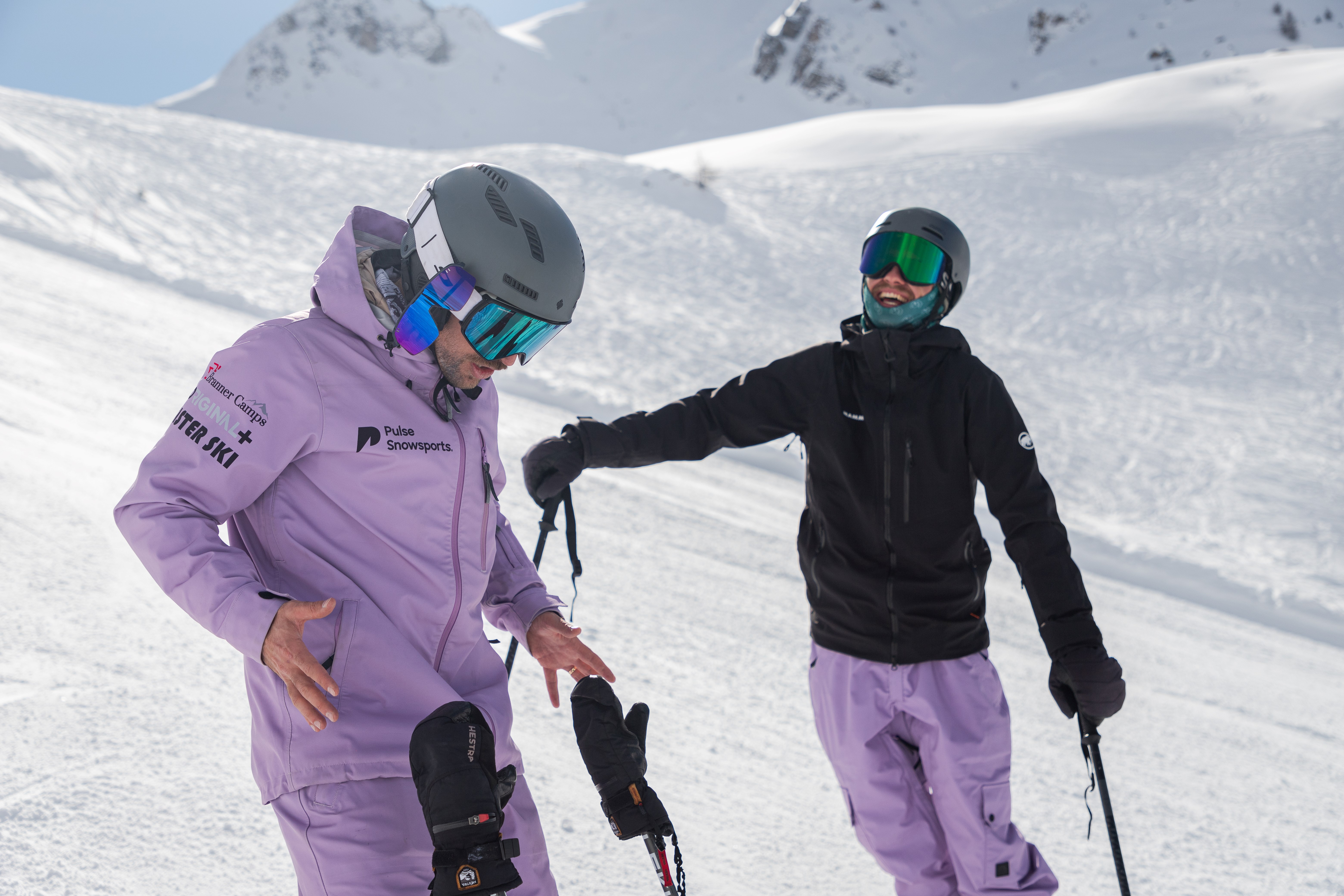
Let's get the obvious one out of the way first.
If you've ever told someone you're becoming a ski instructor, there's a fair chance you've been asked this question.
It usually comes from the fact that a ski season only lasts around five months. People imagine it's a gap-year job or something you do before settling into a "proper" career.
The reality is very different.
Many instructors work year-round by following the snow between the Northern and Southern Hemispheres. Others combine instructing with outdoor education, coaching, summer seasonal work or running their own businesses.
For plenty of people, ski instructing isn't a break from real life.
It is real life.
There's also a perception left over from decades ago, when "ski bums" could pick up casual work for little more than a lift pass and some beer money.
The industry has changed enormously since then.
People often don't see the financial investment, physical commitment and years of training it takes to become a highly qualified instructor.
Even the first qualifications require significant preparation, technical skiing, coaching practice and ongoing learning. Reaching the higher levels takes years of dedication, experience and continual development.
Many instructors choose this career instead of a more traditional path, not because it's easier, but because it's exactly where they want to invest their time, energy and passion.
One of the things I love most about this industry is that there isn't just one version of being a ski instructor.
Some instructors specialise in teaching young children.
Others love introducing complete beginners to the sport.
Some spend their winters coaching race athletes or helping expert skiers tackle challenging terrain.
Personally, I've always believed the very best instructors are the ones who can adapt to all of it.
Being able to coach anyone, from a nervous first-timer making their very first turns to an experienced skier looking to refine their technique, makes you incredibly valuable.
As your career develops, you'll naturally build a reputation for something.
Maybe you're brilliant with children.
Maybe you have a knack for helping nervous adults build confidence.
Maybe technical coaching or instructor training becomes your passion.
The great thing is that you don't have to force it. Over time, your strengths tend to find you.
Word of mouth is everything in this industry. Guests return year after year asking for instructors by name, and more often than not, it's because they've found someone who genuinely enjoys what they do.
10 Lessons I Learned After More Than 10 Years as a Ski Instructor
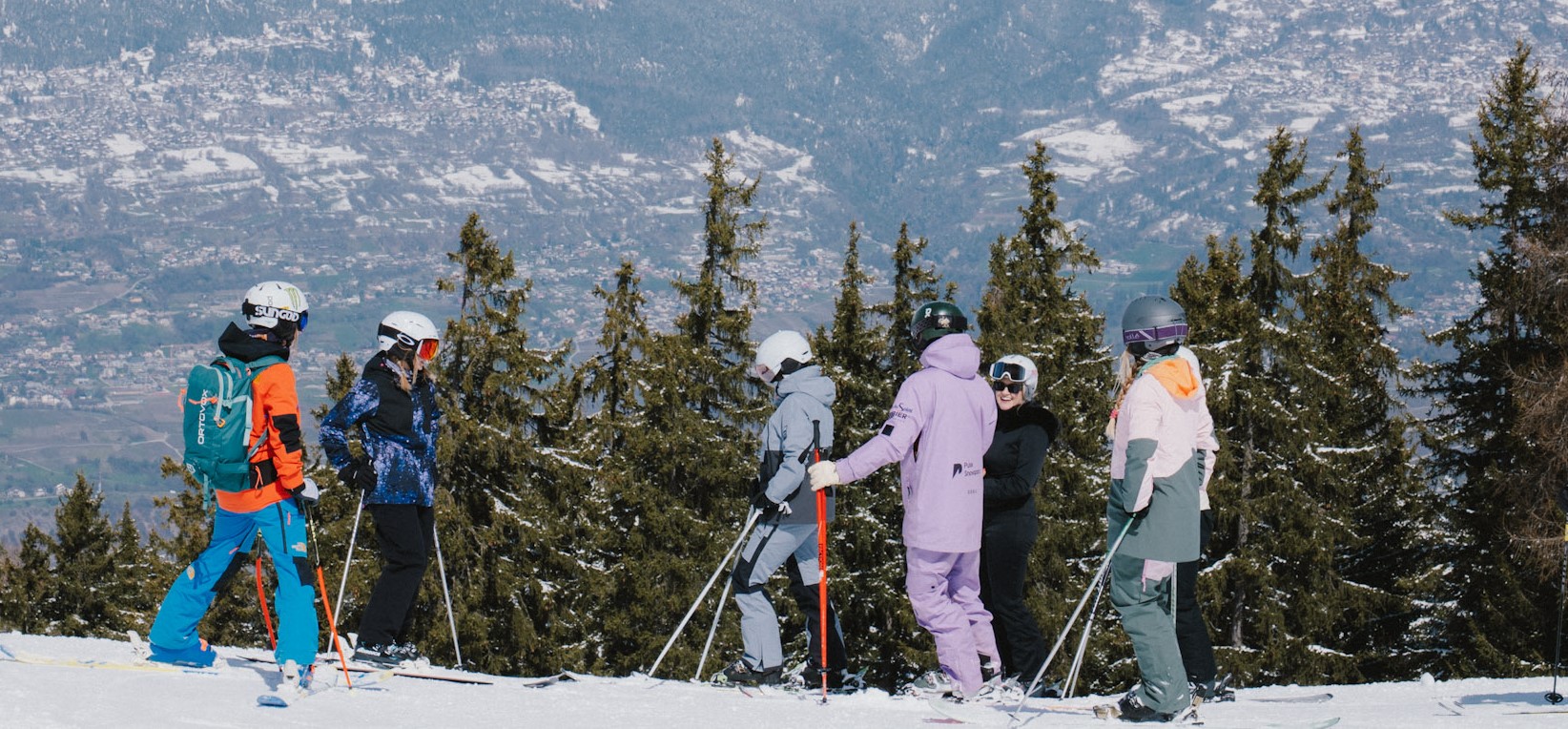
This is the part everyone envies.
And yes, it's true.
Millions of people spend huge amounts of money every year just to ski for one week.
As instructors, we get to spend our winters in the mountains doing something we genuinely love—and we get paid for it.
That's pretty special.
But there is another side to it.
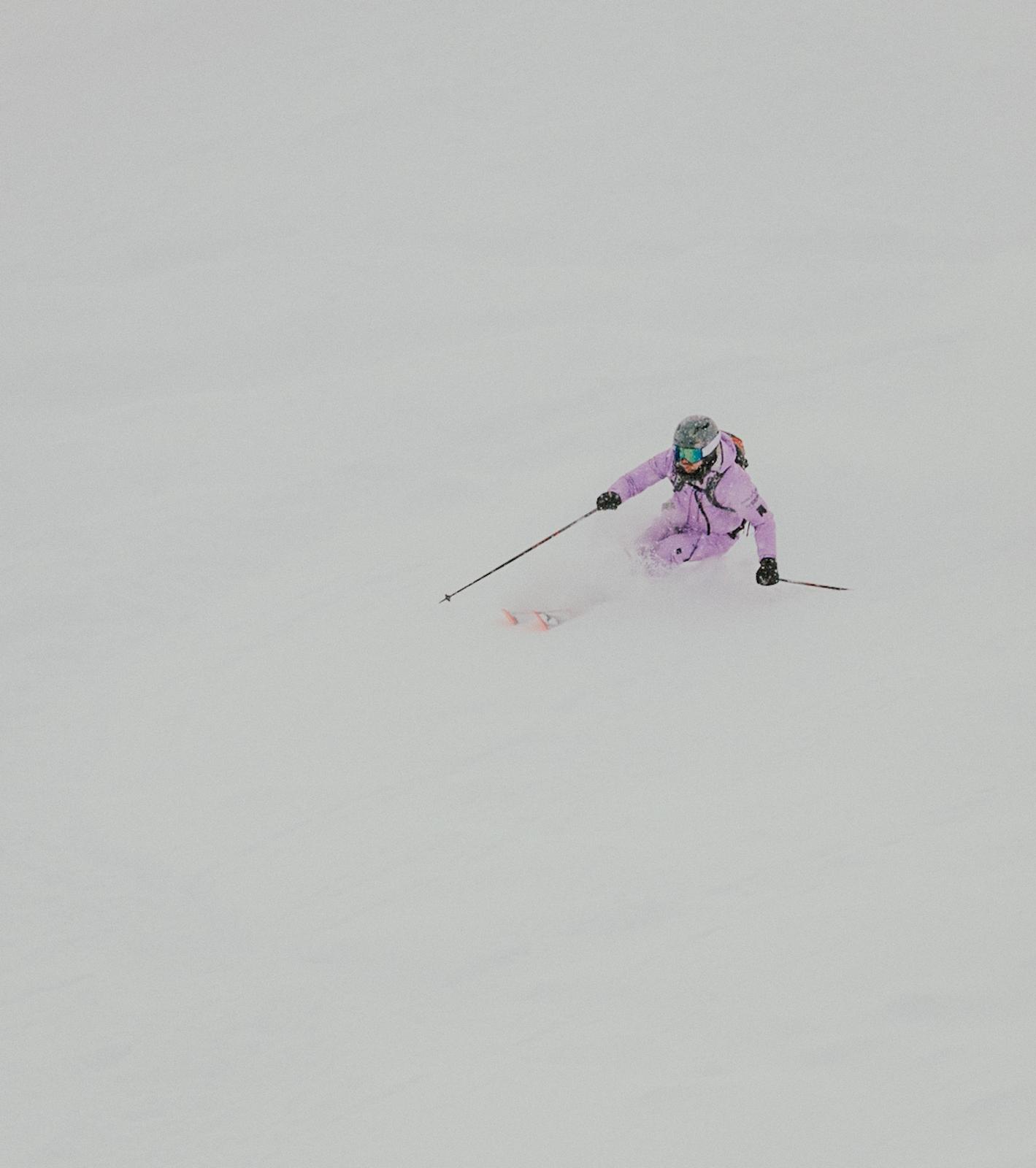
People often imagine instructors skiing powder all day with their mates.
The reality is that your day revolves around your guests.
I often compare it to the difference between a Formula One driver and a taxi driver.
Nobody says, "You're so lucky you get to drive a car all day!" just because someone enjoys driving.
Teaching skiing is a profession.
You're constantly planning ahead, adapting lessons, reading people, solving problems and making sure every guest has the best experience possible.
Ironically, the better instructor you become, the less you think about your own skiing and the more you focus on everyone else's.
And strangely enough, that's when you start enjoying the job even more.
Helping someone achieve something they didn't think was possible is every bit as rewarding as skiing the perfect run yourself.
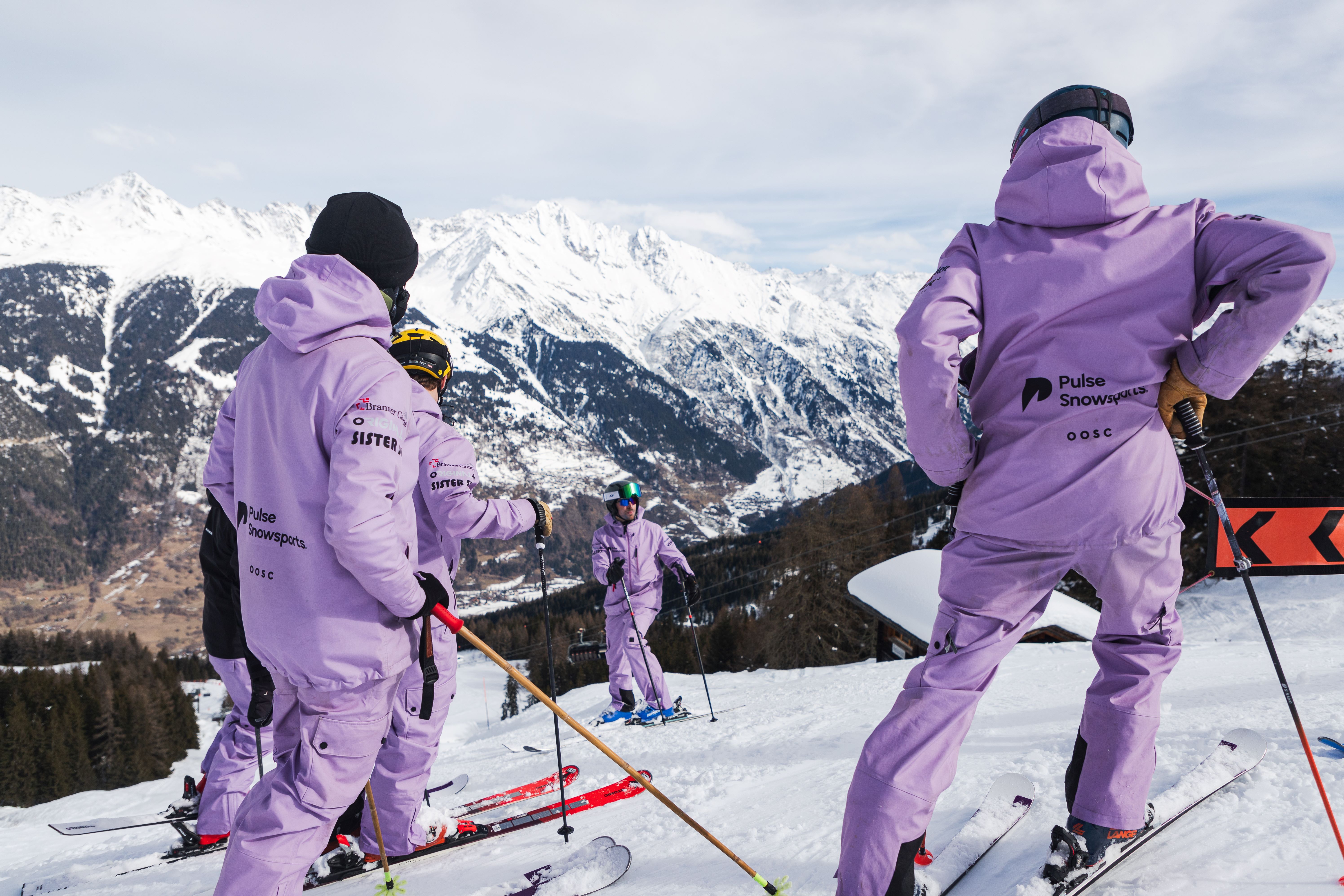
One thing that often surprises people is how much of the job happens away from the slopes.
Teaching skiing is only part of what we do.
Returning guests are the heartbeat of many instructors' careers, and building those relationships doesn't begin when the lifts open or end when they close.
There's plenty of time spent answering emails, helping guests plan their holidays, recommending equipment, suggesting restaurants or simply reassuring someone who's feeling nervous before their first lesson.
You're not just teaching skiing.
You're helping people create memories they'll hopefully want to come back and experience again next winter.
The best instructors understand that every interaction matters, whether it's on a chairlift, over the phone or replying to an email months before the season even starts.
Looking after your guests doesn't end when you click out of your skis.
Another classic.
Although, interestingly, people seem to ask me that a lot less these days.
The funny thing is that ski instructing teaches you far more than just how to ski.
You learn how to communicate with people from all walks of life.
You learn leadership.
Teaching.
Customer service.
Problem solving.
How to stay calm under pressure.
How to adapt when things don't go to plan.
How to motivate people with completely different personalities and goals.
And if you've spent enough time teaching holidaymakers, you'll probably have developed the listening skills of a therapist too.
The point is, the skills you develop as a ski instructor are incredibly transferable.
Many instructors spend their entire careers in the industry, progressing into trainer, examiner, management or running their own ski schools.
Others move into education, coaching, business or completely different professions.
Very few leave without taking something valuable with them.
Looking back, I don't think becoming a ski instructor closed any doors.
If anything, it opened far more than I ever expected.
Why Mentorship Is the Fastest Way to Become a Better Ski Instructor
It's rewarding.
It's exhausting.
It's physically demanding.
It's incredibly social.
Some days are hard.
Some weeks don't go to plan.
The weather doesn't always cooperate.
Neither do your legs.
But you'll also watch children make their very first turns.
You'll help nervous adults discover confidence they never thought they had.
You'll work with people from all over the world.
You'll build friendships that last a lifetime.
And if you're lucky, you'll realise you've built a life doing something you genuinely love.
If you're anything like many of us, you'll arrive planning to stay for one winter...
...and one day you'll look around and realise it's been the best ten years of your life.

If you're considering becoming a ski instructor and would like to learn more about the qualifications, career pathway or what it's really like to work in the mountains, we've created a collection of guides to help you get started.
Explore our Complete Guide to Becoming a Ski Instructor, learn more about our Instructor Training Programmes, or get in touch if you'd like an honest conversation about where to begin.
Explore more ski advice, resort guides, instructor training articles and mountain stories from the Pulse Snowsports team.
Book your lesson online, or speak directly with our team for help with availability, lesson options or choosing the right coaching for you.

We use cookies to improve your experience and measure website performance. You can accept cookies or continue with essential cookies only. For more information see our Privacy Policy.