If you're thinking about becoming a ski instructor, BASI Level 1 is where your journey begins. It's the first qualification on the BASI instructor pathway and the foundation for anyone looking to teach skiing professionally, whether that's at an indoor snow centre, a dry slope or, eventually, in a mountain resort.
For all four directors of Pulse Snowsports, this is exactly where our careers started. James, Cameron, Sam and Anthony all began with BASI Level 1 before progressing through the qualification system and building careers teaching and coaching in resorts across Europe. Today, two of our directors are active BASI Trainers, giving us first-hand experience of both instructor development and the standards expected throughout the BASI pathway.
Whether your goal is to spend a winter season in the Alps, become a full-time ski instructor or simply challenge yourself with a new qualification, understanding BASI Level 1 is the first step.
In this guide, we'll explain:
By the end of this article, you'll have a clear understanding of what BASI Level 1 involves and how it can open the door to an exciting career in the ski industry.
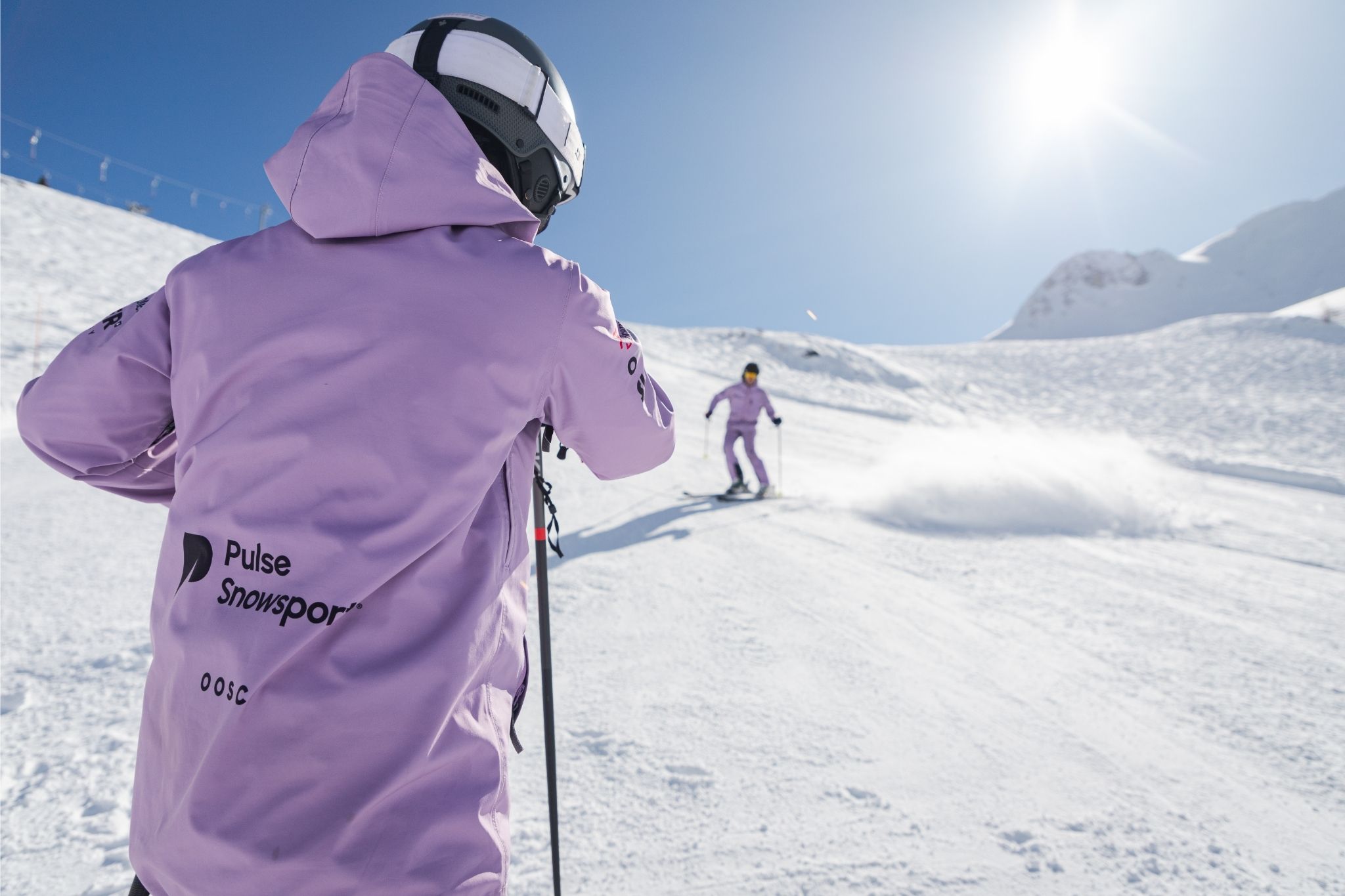
Before understanding BASI Level 1, it's important to understand the organisation behind the qualification.
The British Association of Snowsport Instructors (BASI) is the UK's national governing body for ski, snowboard and adaptive snowsports instructors. For more than 60 years, BASI has educated instructors to internationally recognised standards, earning a reputation as one of the world's most respected instructor qualification systems.
At Pulse Snowsports, BASI isn't just something we teach, it's the pathway that has shaped our careers. All four of our directors hold BASI qualifications, and both James Lockerbie and Sam Goodlass are active BASI Trainers, responsible for training and assessing the next generation of instructors within the BASI system.
As a member of the International Ski Instructors Association (ISIA), BASI qualifications are recognised across many of the world's leading ski destinations, including Canada, Japan, New Zealand and much of Europe. As you progress through the BASI pathway, your qualifications can open opportunities to teach internationally and build a career in some of the world's most renowned mountain resorts.
One of the reasons BASI is so highly regarded is its balanced approach to instructor education. While technical skiing is essential, BASI places equal importance on how you teach. Throughout the qualification pathway you'll develop the communication, lesson planning, movement analysis, safety awareness and professionalism needed to become an effective instructor, not simply a strong skier.
This focus on developing complete instructors is one of the reasons BASI qualifications are respected by ski schools around the world and why so many aspiring instructors choose the BASI pathway as the foundation for their careers.
Pulse Insight: Every one of our directors began their journey with BASI Level 1. Having progressed through the qualification system ourselves, and with James and Sam now training and assessing instructor candidates, we've experienced every stage of the pathway from both sides, giving us a unique understanding of what it takes to succeed.
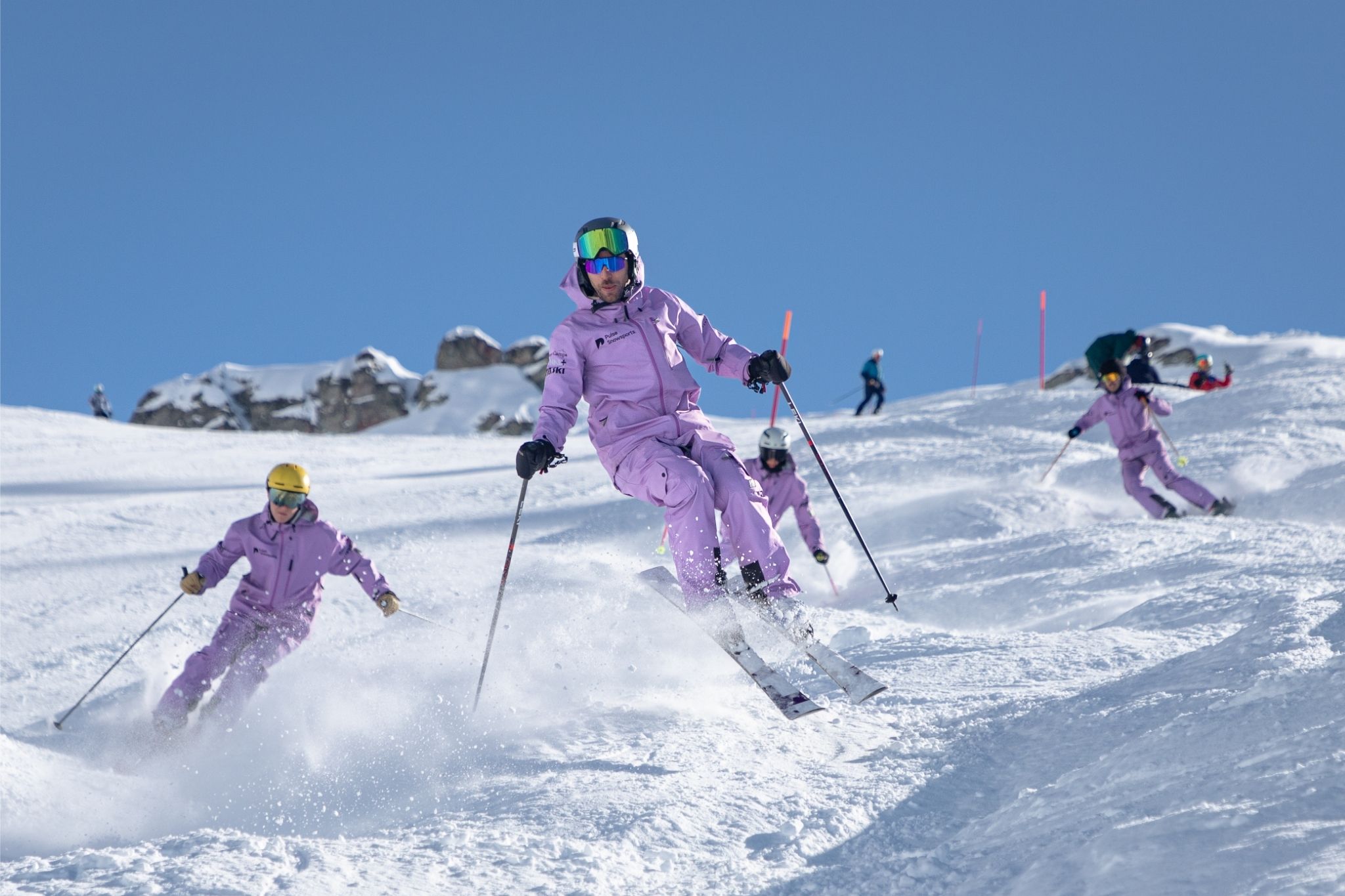
BASI Level 1 is the first qualification on the BASI instructor pathway and the starting point for anyone who wants to become a professional ski instructor.
The course is designed for skiers who already have a solid all-round skiing ability and are ready to begin learning how to teach others. Rather than focusing solely on technical skiing, BASI Level 1 introduces the core skills required to become an effective instructor, combining technical development with teaching methodology, communication and professionalism.
If you're not quite at the required skiing standard yet, don't worry. Many aspiring instructors spend time improving their skiing before taking the course, and that's exactly where structured coaching can make a huge difference.
Ski Instructor Courses in Verbier
Once you've successfully completed the course and met BASI's additional licensing requirements, you'll be qualified to teach beginner and early-intermediate skiers in controlled environments, including:
While BASI Level 1 is often viewed as an "entry-level" qualification, it shouldn't be underestimated. The course is designed to build the foundations of a successful instructor, helping you develop not only your skiing but also the confidence, communication skills and teaching techniques needed to deliver safe, enjoyable and progressive lessons.
For many instructors, including every one of the Pulse Snowsports directors. BASI Level 1 wasn't just the first qualification; it was the beginning of a career in the mountains. The habits, technical understanding and teaching principles developed during Level 1 continue to underpin everything you'll learn as you progress through the BASI pathway.
Pulse Insight: One of the biggest mistakes we see is candidates focusing only on their skiing before Level 1. While good skiing is essential, BASI is equally interested in how you communicate, demonstrate, manage a group and help others learn. The strongest candidates arrive with both solid skiing and a willingness to coach, listen and develop throughout the course.
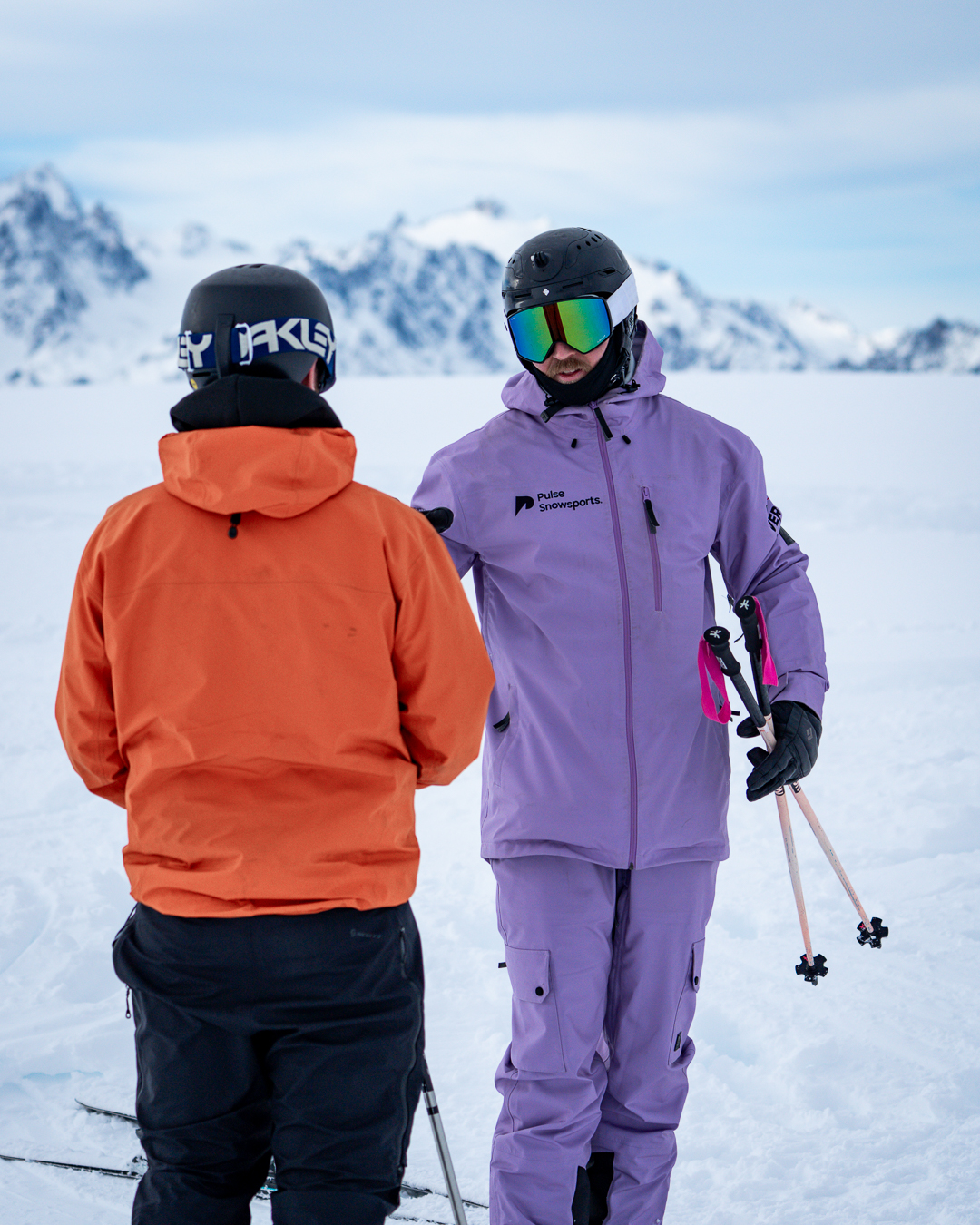
BASI Level 1 is far more than a skiing course. It combines technical skiing development with teaching methodology, helping you build the skills required to become a safe, confident and effective instructor.
Over the four-day course, you'll be assessed continuously as you develop your skiing, learn how to teach beginners and gain an understanding of BASI's professional teaching framework.
Throughout the course, you'll work towards the Level 1 performance criteria, including:
Alongside your skiing, you'll also learn BASI's TIED teaching model (Task, Information, Evaluate/Explain, Develop), which provides a structured framework for planning lessons, delivering feedback and helping skiers progress efficiently.
One aspect of BASI that we particularly value at Pulse Snowsports is its continuous assessment approach. Rather than relying on a single high-pressure exam at the end of the course, BASI assesses your technical skiing, teaching ability and overall development throughout the four days.
From our experience as BASI Trainers and instructors, this creates a much better learning environment. Candidates aren't simply trying to perform on one run or one lesson, they're encouraged to develop, ask questions, apply feedback and improve every day. It feels like a genuine learning experience rather than just an examination, and that approach often allows candidates to perform at their best.
Pulse Insight: One of the biggest surprises for new candidates is how much emphasis BASI places on teaching, not just skiing. Strong demonstrations, clear communication and the ability to adapt your lesson to different learners are just as important as skiing well. The candidates who embrace coaching, listen to feedback and keep improving throughout the course are often the ones who perform the strongest.
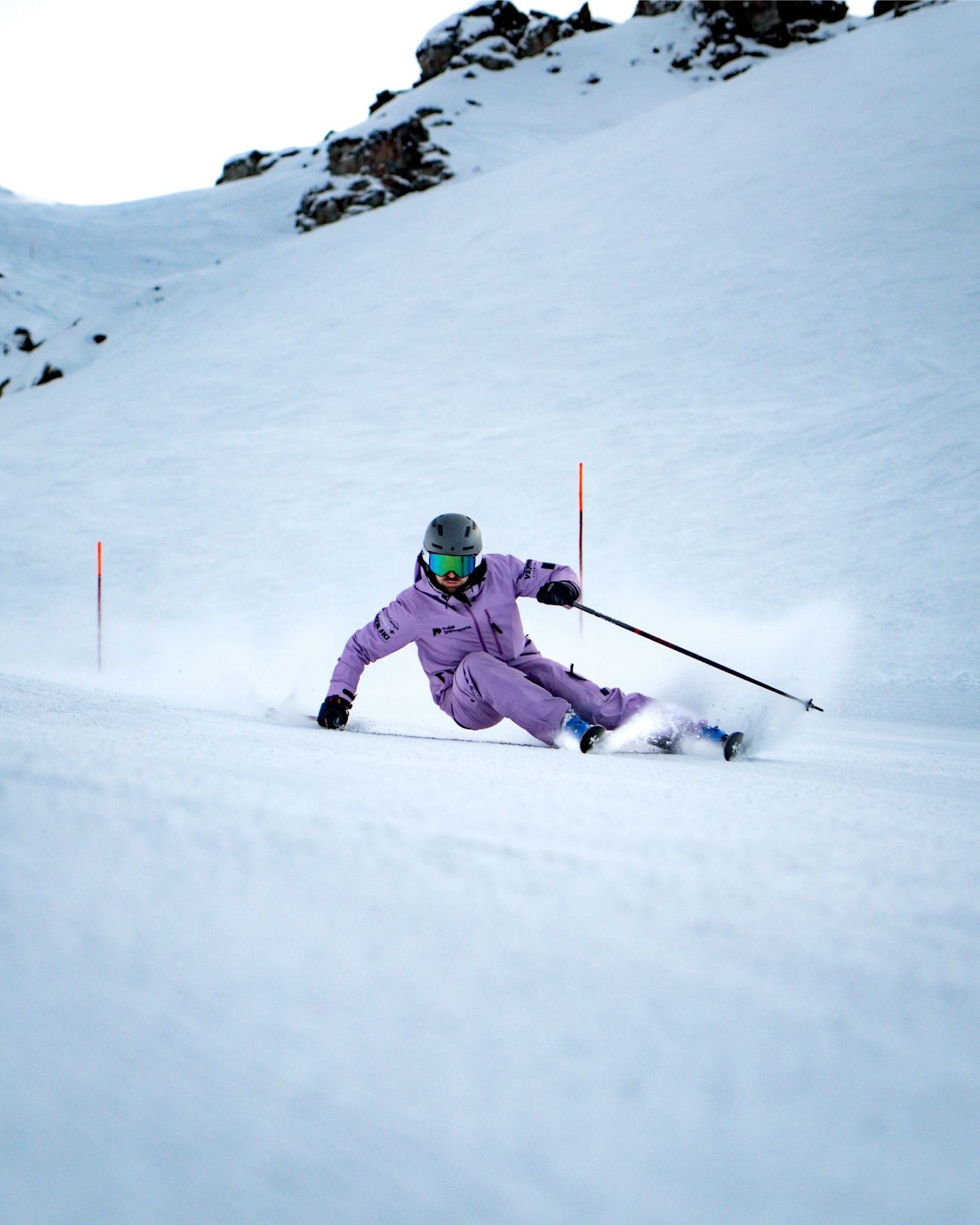
Before booking your BASI Level 1 course, you should already be a confident and controlled skier. While BASI Level 1 is the first instructor qualification, it's not designed for complete beginners. The course assumes you already have a solid foundation and are ready to learn how to teach, rather than simply learning to ski yourself.
To attend a BASI Level 1 course, you'll need to:
Although it's not a formal requirement, BASI recommends candidates have approximately 16 weeks of skiing experience before attending Level 1. This isn't a fixed rule, however. Every skier develops at a different pace, and we've seen candidates reach the required standard both sooner and later than this guideline.
At Pulse Snowsports, one of the most common questions we're asked is:
"Am I ready for BASI Level 1?"
The honest answer is that it depends on your skiing, not simply the number of weeks you've spent on snow. Some skiers develop quickly thanks to regular coaching and focused practice, while others benefit from spending more time refining their technique before attempting the course.
That's why we always recommend having your skiing assessed before booking. An honest evaluation can save you time, money and disappointment by ensuring you begin the course with the confidence and technical standard needed to succeed.
Ski Instructor Courses in Verbier
Contact Us (for a skiing assessment or course enquiry)
If you're not quite there yet, don't be discouraged. Many successful instructors spend time preparing before taking Level 1. With structured coaching, technical feedback and a clear development plan, most motivated skiers can reach the required standard far more efficiently than trying to prepare alone.
Pulse Insight: One of the biggest mistakes candidates make is booking their BASI Level 1 course too early. Arriving confident and technically prepared allows you to focus on learning how to teach rather than worrying about whether your skiing is good enough. In our experience, candidates who invest time in preparation enjoy the course more, progress faster and perform with much greater confidence.
Successfully completing the four-day BASI Level 1 course is a huge achievement, but it's only one part of becoming a qualified instructor.
Before BASI officially awards your Level 1 licence, you'll also need to complete:
These additional requirements ensure every new instructor has practical experience alongside the technical knowledge needed to teach safely, confidently and professionally.
The shadowing element is particularly valuable. It allows you to observe experienced instructors, learn how real ski school lessons are delivered and gain confidence before stepping into your own teaching role. In our experience, this practical exposure often accelerates a candidate's development just as much as the on-snow training itself.
At Pulse Snowsports, our trainees benefit from being immersed in a real ski school environment, giving them valuable insight into how professional lessons are planned, delivered and adapted to different guests long before they begin teaching independently.

BASI Level 1 is far more than an entry-level qualification, it's your introduction to the profession of ski instruction.
While you'll continue developing your technical skiing, the course also begins to build the communication skills, teaching techniques and professional behaviours that every great instructor relies on throughout their career.
These are transferable skills that extend well beyond skiing. Learning how to communicate clearly, manage groups, analyse movement and adapt your coaching to different personalities will benefit you in almost any career involving leadership, education or performance coaching.
For those looking to build a career in the mountains, BASI Level 1 is also the gateway to the rest of the BASI qualification pathway.
Once you've completed Level 1 and fulfilled the licensing requirements, you'll be ready to progress to BASI Level 2, the qualification that allows instructors to work independently in many ski schools around the world and opens the door to a full-time career in the snow industry.
Every qualified instructor has one thing in common—they all started with Level 1. Whether your ambition is to teach for a single winter season or build a lifelong career travelling the world, this qualification is the first step on that journey.
Pulse Insight: Looking back, none of us realised just how important BASI Level 1 would become. What started as a single instructor course eventually led to careers teaching around the world, progressing through the BASI system and, for James and Sam, becoming BASI Trainers responsible for developing and assessing future instructors. Every career has to start somewhere, and for us, it all began with Level 1.
Although BASI Level 1 is the first instructor qualification, many candidates underestimate how much preparation is required before arriving on the course.
The strongest candidates don't simply turn up hoping to pass. They arrive with solid technical skiing, confidence across a variety of terrain and a basic understanding of the teaching principles they'll be developing throughout the assessment.
From our experience coaching and assessing instructor candidates, the biggest difference between those who struggle and those who succeed is rarely talent, it's preparation.
That's exactly why we created the Pulse Snowsports BASI Level 1 & 2 Gap Course
Rather than arriving at a four-day assessment hoping you're ready, you'll spend the early part of the season developing your skiing, refining your technique, understanding BASI's teaching methodology and receiving continuous feedback from experienced BASI coaches.
By the time your BASI Level 1 assessment begins, it shouldn't feel like you're trying to cram for an exam, it should feel like the natural next step in your development.
Our goal isn't simply to help you pass Level 1. It's to give you the technical foundation, teaching confidence and professional habits needed to progress through Level 2 and build a successful career in the ski industry.
Pulse Insight: Every instructor develops at a different pace. Some candidates need more technical coaching, while others need more confidence teaching beginners. That's why individual feedback and structured progression are such an important part of our training philosophy.
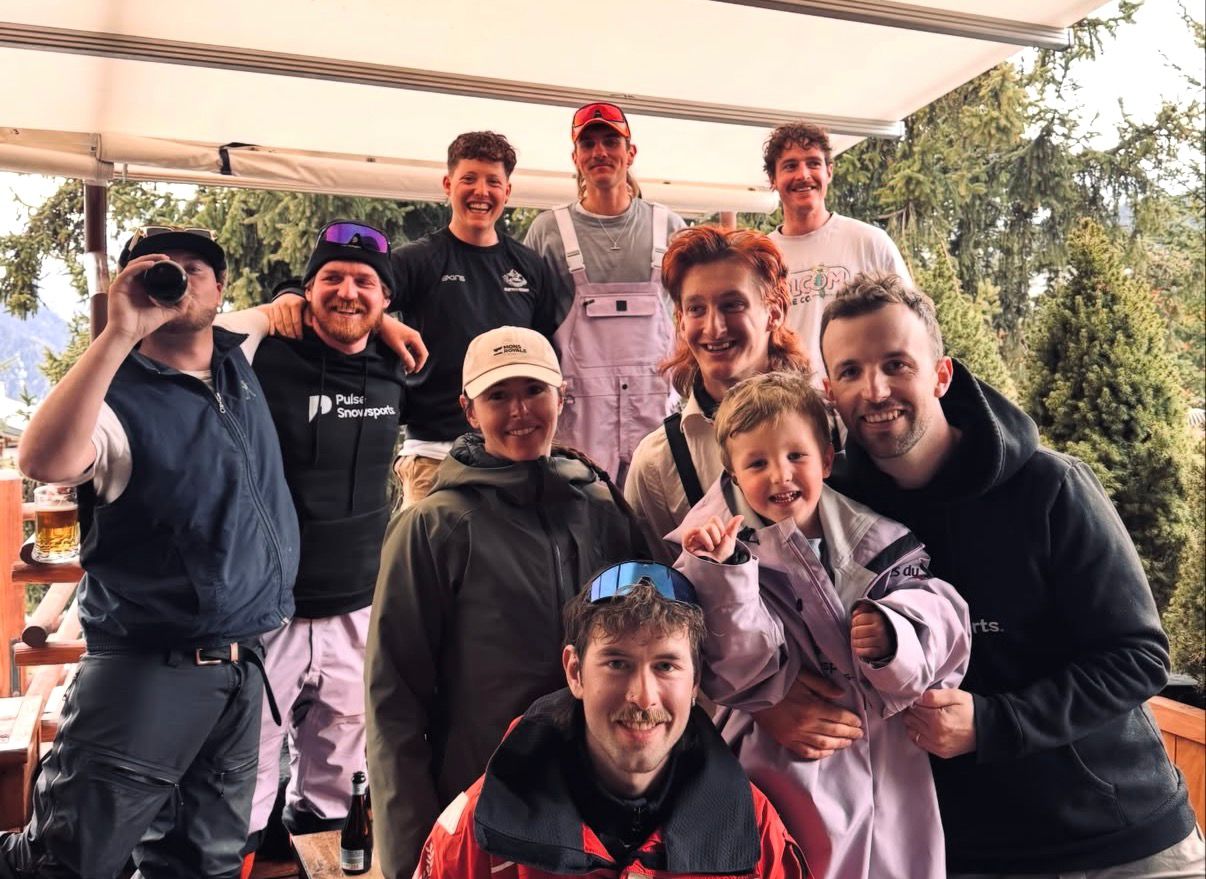
BASI Level 1 is much more than an entry-level qualification—it's the beginning of your career as a professional ski instructor.
It introduces the technical skiing, teaching skills and professional behaviours that you'll continue to develop throughout the BASI pathway. For many instructors, it's also the first step towards spending winters working in world-class resorts, travelling internationally and building a career doing something they genuinely love.
Every one of the Pulse Snowsports directors started exactly where you are now. We all began with BASI Level 1 before progressing through the qualification system, teaching around the world and continuing our professional development within BASI. Today, James and Sam are active BASI Trainers, helping educate and assess the next generation of instructors, a journey that all began with this very first qualification.
If you're serious about becoming a ski instructor, we'd love to help you start your journey the right way.
Whether you're already skiing at the required standard or you're still working towards it, our coaching team can help you understand where you are, what you need to improve and how to prepare for success.
Explore Our BASI Level 1 & 2 Gap Course
Enquire About Instructor Training
Ski Instructor Courses in Verbier
For many instructors, BASI Level 1 is just the beginning. Once you've gained experience teaching professionally, the next step is working towards BASI Level 2 and beyond, level 3 leads to the internationally recognised ISIA Card and opens up even more opportunities to work around the world.
BASI Level 3 & 4 Instructor Training
Whether you're just beginning to explore becoming a ski instructor or you're already preparing for your first BASI qualification, our complete career guide explains everything you need to know, from choosing the right pathway to building a long-term career in the mountains.
→ Read our Complete Guide to Becoming a Ski Instructor
You may also find these guides useful:
Explore more ski advice, resort guides, instructor training articles and mountain stories from the Pulse Snowsports team.
Book your lesson online, or speak directly with our team for help with availability, lesson options or choosing the right coaching for you.

We use cookies to improve your experience and measure website performance. You can accept cookies or continue with essential cookies only. For more information see our Privacy Policy.